PROJECT 01
Barbell Prosthetic Attachment
Background
As part of Team Lifts within Duke eNable, I contributed to the development of a modular system of 3D-printed prosthetic attachments designed to make strength training more accessible for individuals with upper-limb differences. The team explored attachments for exercises involving dumbbells, barbells, and push-ups, with each device designed to connect to a common prosthetic interface.
Design
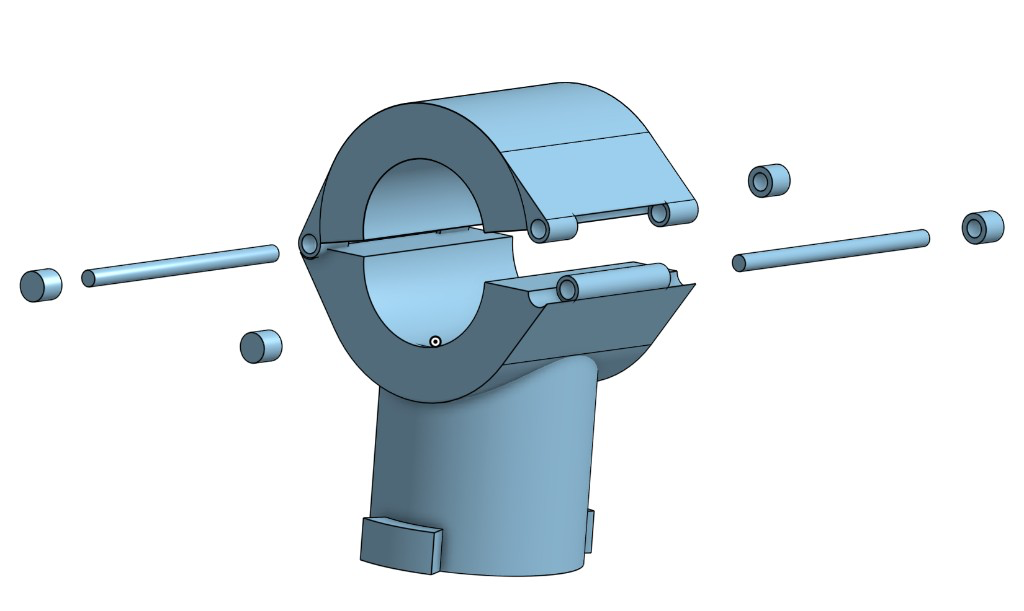
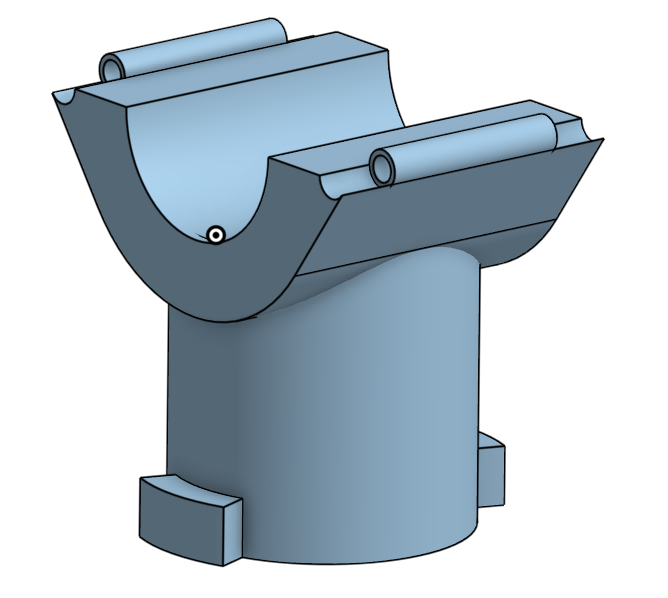
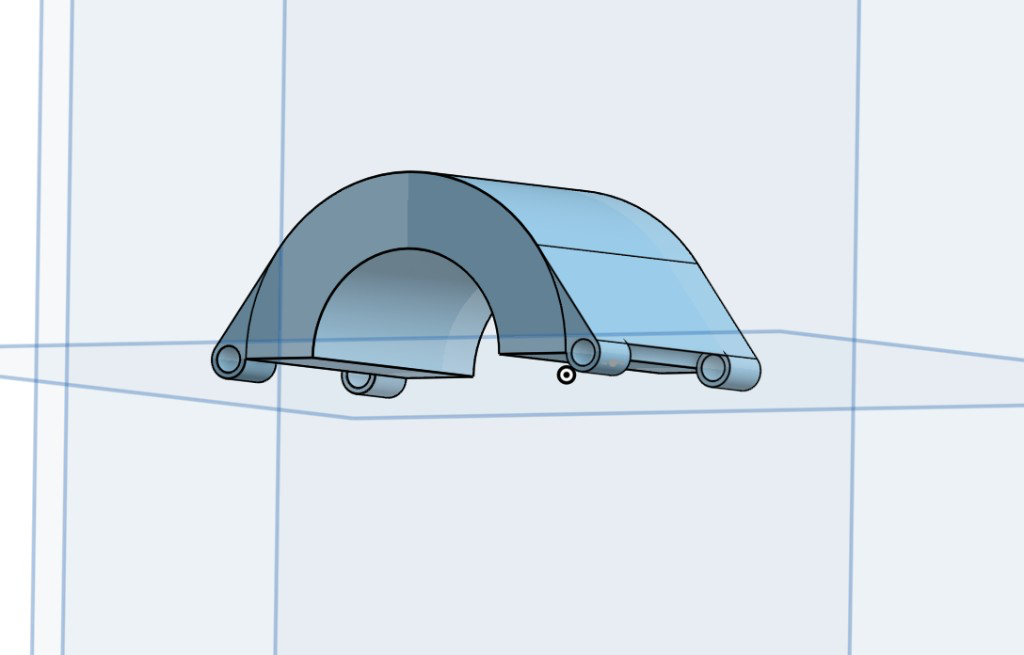
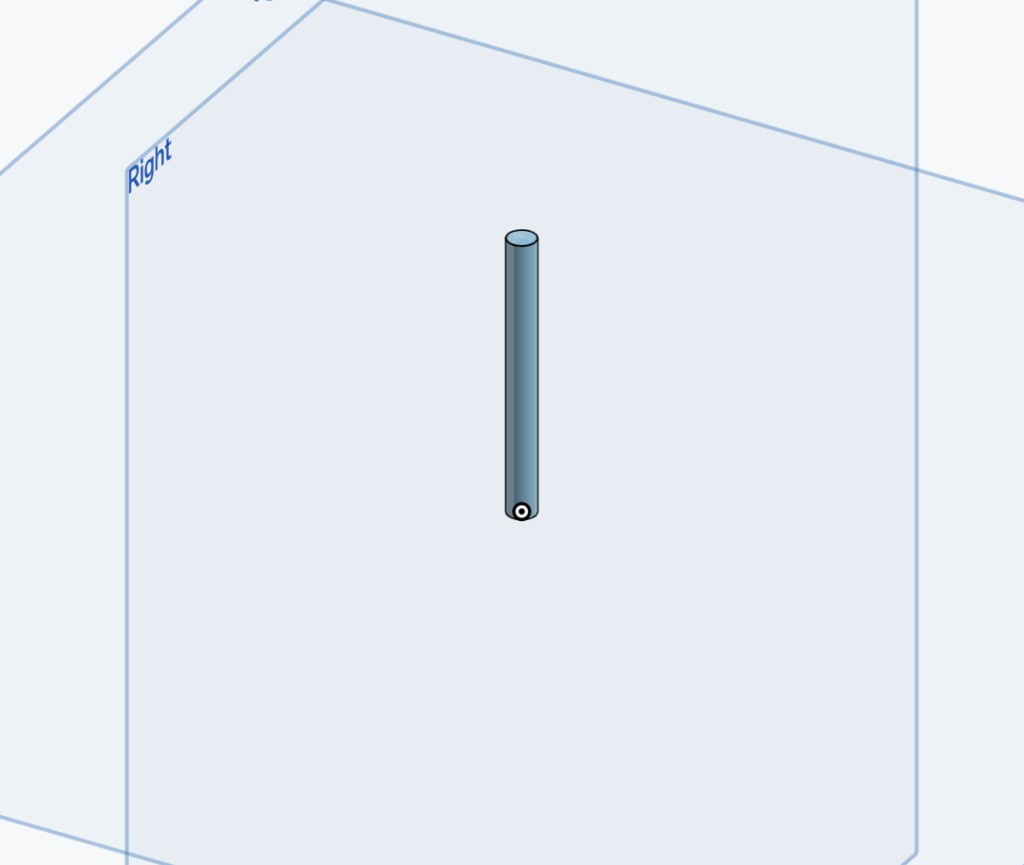
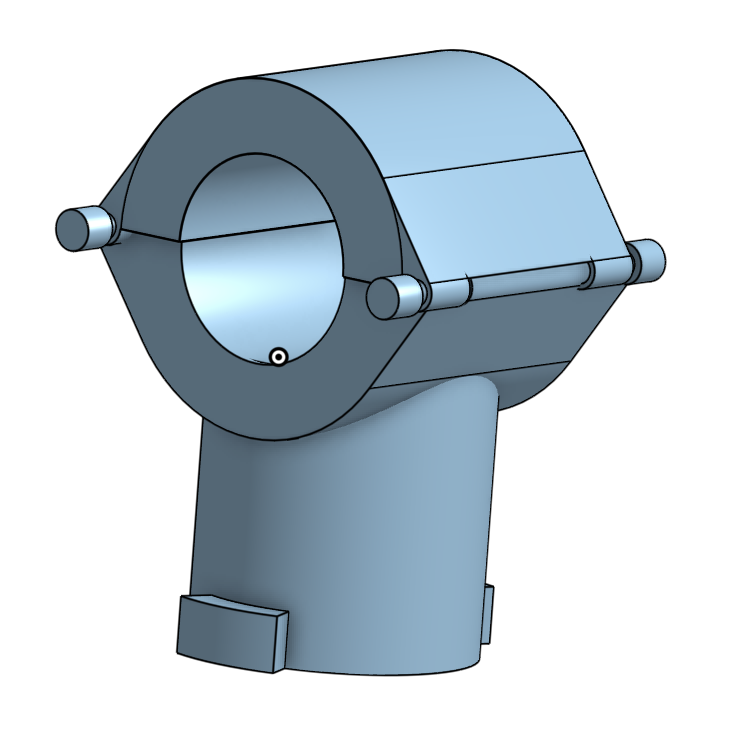
My project focused on designing a barbell attachment that securely interfaces with the standard diameter of a barbell. I developed the design in CAD as a two-piece clamping mechanism consisting of upper and lower clamps that enclose the bar. The two halves are secured on either side using removable rods and end caps. By leaving one rod installed, the assembly functions as a hinge, allowing the clamp to swing open for easy placement around a barbell and then close and lock into position.
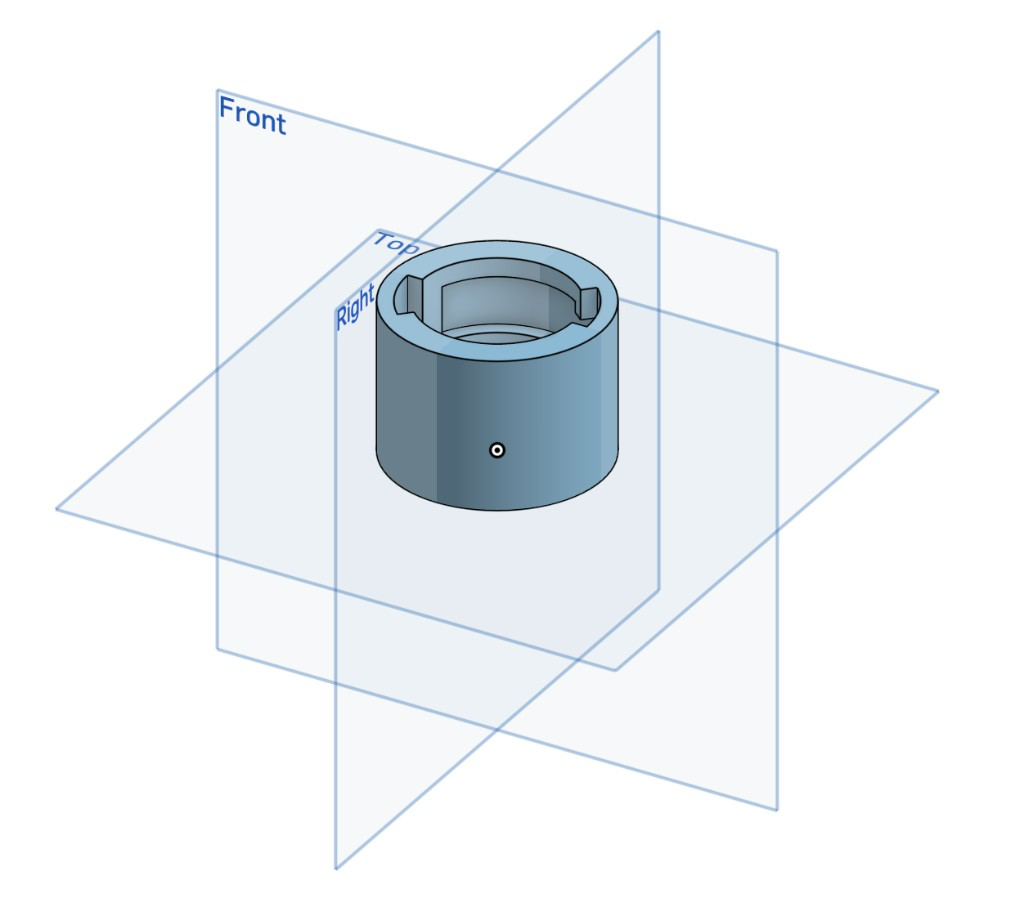
I also incorporated a twist-and-lock connection into the bottom of the lower clamp. This piece is designed to mate with a corresponding component on the user's prosthetic arm, allowing the barbell attachment to be installed or removed without replacing the entire prosthetic. The design emphasizes modularity, ease of use, secure barbell engagement, and manufacturability through 3D printing.
Through this project, I gained experience designing a multi-component mechanical assembly, developing hinge and locking mechanisms, accounting for real-world geometric constraints, and using CAD to create parts intended for additive manufacturing. The project also challenged me to consider how mechanical design decisions affect accessibility and usability in an assistive device.